
By Ndimuh Bertrand Shancho
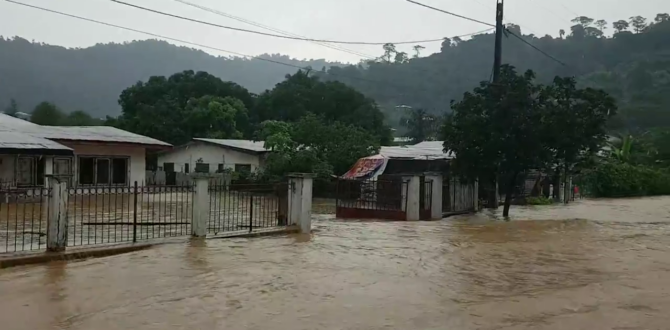
In recent weeks, torrential rains have once again turned familiar city streets into rivers, leaving homes submerged and families mourning loved ones. From flooded neighborhoods in Douala and Bamenda to landslides in Foumban, Yaoundé, Limbe, and beyond, the message could not be clearer: Cameroon’s war against nature is backfiring.
For decades, rapid urban growth and unregulated development have eaten away at the country’s ecological safety nets, forests, wetlands, and mangroves. Swamps that once absorbed floodwaters have been filled for construction; hillsides once draped in trees have been stripped bare for housing and agriculture. The cost is now being paid in lives, property, and livelihoods.
I witnessed this firsthand in September 2025, while visiting my sister in the Village neighborhood of Douala. A heavy downpour lasted barely an hour, yet when it stopped, there was no way to reach the highway. The roads had vanished beneath muddy water. I had to fold my trousers and wade through the flood. Residents seemed unfazed; they have adapted to it. Many now go out with spare shoes, ready to change when the inevitable happens. My colleague paid 200 francs CFA to be carried across by a man turning the flood into a small business. For locals, this has become normal, a daily ritual whenever it rains. “This is only strange to you because you are new here. We know this area floods, but it’s the only place where we could find cheap land. We have no choice,” one resident told me.
In Bamenda, the story is even more tragic. On Monday, September 29, a man identified as Agyingi Hamlet was swept away by floodwaters at City Chemist and later recovered from the mud in a swampy area at Street IV, Mulang (Bamenda II) the following day. Just two weeks earlier, on September 15 , torrential rains had swept through neighborhoods around GTTC Nkwen , carrying away two children aged nine and ten. Their bodies were discovered a day later downstream in Mulang by the Army Rescue Unit . Together, these incidents reveal a city increasingly at the mercy of its own unplanned growth. Construction on wetlands and the persistent blockage of drainage channels have turned what were once seasonal floods into a deadly, recurring reality.
In Bangourain, the Njintout quarter suffered two major landslides this year, on August 8 and September 19, triggered by torrential rains, steep slopes, and weakened soils. Though no lives were lost, several homes were destroyed and families displaced. The Ministry of Housing and Urban Development deployed a technical mission and urged local councils to integrate risk mapping into urban planning.
Cameroon’s Flood, Landslide Crisis Over the Past Five Years
Over the past five years, Douala , Cameroon’s commercial capital, has faced some of the worst impacts. The August 2020 floods alone affected more than 12,000 people, damaged 2,200 buildings, and displaced 5,000 residents. Similar disasters followed in 2021, 2022, and 2023, each worsened by poor drainage, reckless expansion, and construction on wetlands. Beyond destroying homes and livelihoods, the floods have raised public health risks, including outbreaks of waterborne diseases.
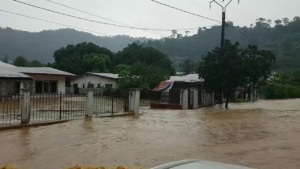
Floods in Limbe. Photo credit: LUKMEF
In the South West Region, repeated floods and landslides over the past 5 years have left lasting scars. The March 2023 floods in Buea claimed two lives and affected nearly 900 residents. Despite relief efforts, unplanned construction continues on vulnerable slopes, keeping the risks high. Limbe , another coastal town, faces a similar ordeal. In July 2023, floods and landslides killed five people, displaced around 2,000, and affected 1,600 residents neighborhoods in such as Down Beach and Mawoh. A 2024 GIS-based study identified Limbe as one of Cameroon’s most flood-prone cities, urging the need for better drainage and early-warning systems.
Further north, the Far North Region has suffered some of the country’s most devastating floods. In 2022, over 313,000 people were affected, 23 killed, and 113,000 displaced. By 2024, the Chari River overflowed again, inundating 82,000 hectares of farmland and destroying thousands of homes. Livestock and livelihoods were washed away, deepening food insecurity across the region.
“Nature has its laws, and when we violate them, it strikes back. These disasters are not acts of God, they are consequences of human neglect and greed.” Said, Dimnla Robert, an environmental advocate at Voice of Nature (VoNat) in Buea
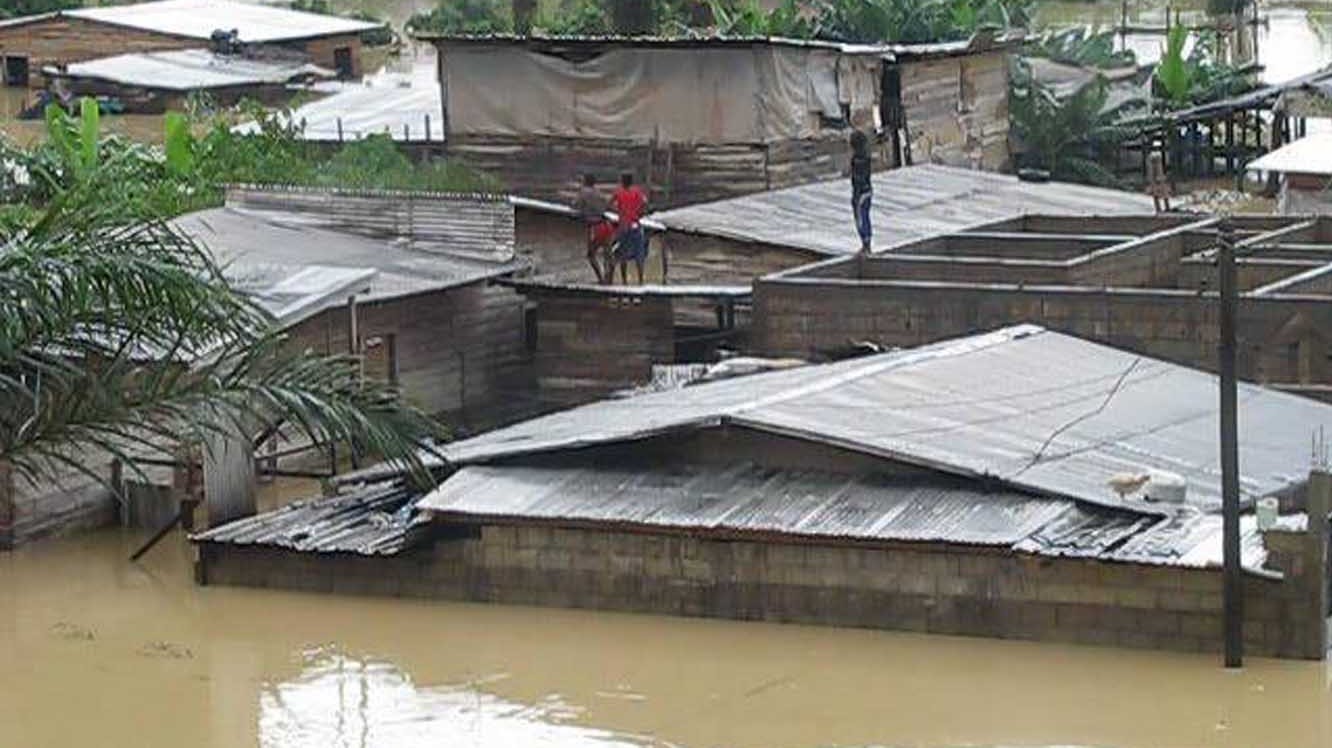
Environmentalists warn that unless Cameroon strengthens urban planning, drainage systems, and disaster preparedness, floods and landslides will continue to claim lives and livelihoods. The destruction of mangroves in Tiko and Limbe, and the reclamation of wetlands in Douala, Bamenda, and Yaoundé, have stripped cities of their natural defenses.
Cameroon’s pattern of devastation, from the Northwest and West through the Littoral to the Far North, tells one truth: nature always strikes back. Building with nature, rather than against it, is no longer optional. It is a matter of survival.


