
By Ngala Eugene*
__________________
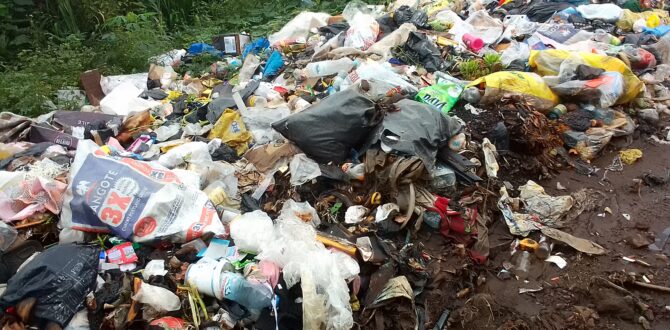
Residents of Buea, the capital of Cameroon’s Southwest Region, are raising concerns over poor waste disposal practices that have led to growing heaps of garbage along streets and in neighborhoods. There are fears that the deteriorating situation may induce a rise in health complications and environmental degradation in the municipality.
Piles of uncollected waste, ranging from household garbage to plastic debris, are a common sight across the town, prompting outcry from locals who say the situation puts their health at risk. “These trash piles are everywhere. They cause a lot of discomfort and attract mosquitoes that lead to malaria,” said Lamfu Cletus, a resident of the Koke neighborhood. “The smell is unbearable, and some days I feel so nauseated that I lose my appetite,” he added.
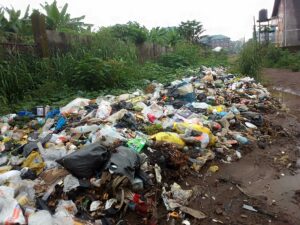
In Ndongo, another community in Buea, resident Bimi Gabriel has similar frustrations. “The smell makes the area uninhabitable. I have suffered from recurring malaria and typhoid, and I believe it is linked to this poor waste situation,” he said.
Health professionals have confirmed the link between inadequate sanitation and rising illnesses in the area. A medical practitioner at Plant Africa Clinic in Buea, Daniel Esono, warned of the serious consequences of poor waste management. “Improper disposal of waste can cause respiratory infections, skin conditions, and in severe cases, even cancer,” Esono explained. “During the rainy season, runoff water can carry waste into streams, contaminating water sources and increasing the risk of bacterial infections,” he added.
A 2020 study on solid waste management in Buea Municipality, which surveyed 160 households, revealed that residents generate between 0 and 1 kilogram of waste per person daily. Plastic waste, especially polythene bags, makes up the bulk of this, with much of it left uncollected or improperly discarded.
The Chief of Service for Sensitization at the Southwest Regional Delegation of Environment, Protection of Nature and Sustainable Development, Madam Asaba Linda Sirri, identified plastic, organic, and household waste as the most common types in Buea. She attributed the escalating waste problem to population growth, rapid urban development, and changing consumer habits. “Students and young people often opt for the latest, disposable products, most of which are packaged in plastic. This behavior is accelerating the accumulation of waste,” she noted.
To combat the crisis, Madam Sirri recommends a coordinated, multi-stakeholder approach. “A structured waste collection and transportation system must be put in place. Trash cans should be available in schools and on major streets. We need designated waste collection sites, and all businesses must implement proper waste management plans,” she said.
The waste disposal challenges in Buea reflect a broader national issue. According to the UNDP Accelerator Lab’s Waste Management and Recycling Infrastructure Assessment Report, Cameroon generates approximately 6 million tons of waste annually, yet only 15% is adequately recovered and disposed of. As the waste continues to mount in Buea, residents and officials alike are calling for urgent action to safeguard public health and preserve the environment.
*UB Journalism Student on Internship


