
By Ndimuh Bertrand Shancho
______________________
As Cameroon approaches its 2025 presidential elections, aspirants are unveiling visions for the future, promising jobs, education, security, and governance reform. Yet one crucial issue remains glaringly absent from most manifestos, the environment. This silence is deeply troubling because environmental degradation is not a peripheral concern, it is a national crisis that threatens public health, food security, economic stability, and the well-being of future generations.
Over the years, Cameroonian political campaigns have paid little attention to environmental sustainability. In both the 2011 and 2018 elections, party manifestos were dominated by pledges on infrastructure, decentralization, and poverty reduction, with only passing references to natural resources. Even when conservation was mentioned, it was framed narrowly in terms of tourism potential or resource exploitation, rather than as part of a comprehensive strategy for climate resilience, species conservation, and community well-being.
This trend continues in 2025. Among the 12 approved presidential aspirants for the October 12 elections, Akere Muna stands out with a somewhat articulated, though largely economically driven, with emphasis on renewable energy and value-added resource processing. President Paul Biya’s manifesto appears largely silent on environmental matters, even indirectly, based on current coverage. For most of the other candidates, environmental policy does not appear prominently, or at all, in their publicly reported manifestos.
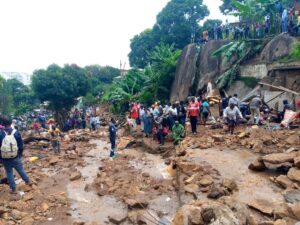
Meanwhile, Cameroon’s forests, which are part of the Congo Basin, the world’s second-largest rainforest, are disappearing at alarming rates due to illegal logging, mining, bush burning, and poorly planned infrastructure. Flagship species such as the Cross River Gorilla, the Nigeria-Cameroon Chimpanzee, and Preuss’s Monkey are being pushed to the brink of extinction. Communities are experiencing worsening floods, drying water sources, declining soil fertility, and growing conflicts over increasingly scarce resources.

Leaders of prominent environmental organizations warn that this neglect is dangerous. “There are three major issues I want the presidential aspirants to address: scale restoration efforts to meet the 12 million restoration commitment target, increase the national budget to respond to adaptation and resilience strengthening efforts, and foster youth empowerment and meaningful inclusion in climate diplomacy and policy development,” says Sunday Geofrey, Coordinator of Support Humanity Cameroon (SUHUCAM).
Similarly, the Executive Director of Ecological Balance Cameroon (EBC), Limbi Blessing Tata, insists that candidates must prioritize “efficient carbon capture, regenerative agriculture, and clean energy.” The urgency is clear. In cities like Douala and Yaoundé, air and water pollution are daily realities, while rural communities grapple with the devastating impacts of deforestation and climate variability. Unlike much of the political class, young people are increasingly vocal, demanding green jobs, climate justice, and sustainable farming solutions.
With official campaigns set to kick off on September 27, 2025, it is high time for presidential aspirants to revise their manifestos and present concrete plans to enforce forest protection laws, invest in renewable energy, deter species depletion, expand climate-resilient agriculture, tackle urban pollution, and create green jobs for the country’s youth.
As Cameroon heads into this critical election, each presidential candidate must understand and embrace environmental stewardship as the foundation of economic progress, peace, and resilience. Any leader who fails to integrate environmental and sustainability concerns into their vision risks being out of touch with the lived realities of the people. Clean air, fertile soils, stable weather, thriving species, and intact ecosystems are not luxuries, they are the very basis of life itself. If Cameroon is to build a prosperous future, the environment must move from the margins to the center of national politics.


